Rooted
A neighborhood grounded in values, history, and local hometown pride.
Discover high-quality, energy-efficient new homes designed for hardworking families, built on the historic site of the Old Memorial Hospital in Palestine, TX. With no HOA, modern smart-ready features, and eligibility for first-time homebuyers using down payment assistance, Memorial Manor is the place to plant roots and build a future you can afford and be proud of.
CLICK ON EACH COLORED SQUARE TO ENLARGE THE IMAGE.
A neighborhood grounded in values, history, and local hometown pride.
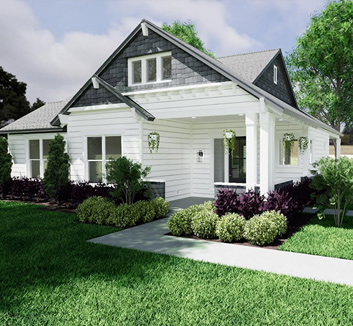
A perfect mix of comfort, cost, quality, and convenience for every family.
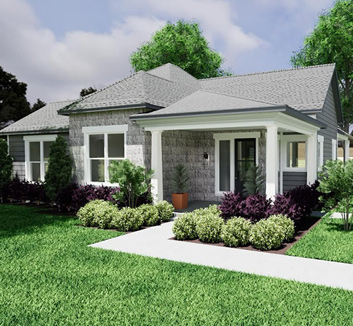
Sleek finishes and seamless details that elevate everyday experience.
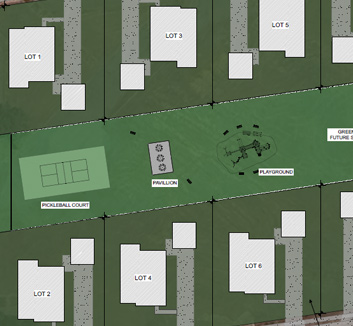
Every detail reflects care, from the housing layout to the lifestyle it helps create.

Classic forms and finishes that stay beautiful and relevant for decades.
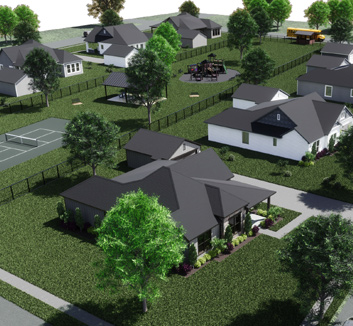
Precision-built homes where every detail reflects quality and care.
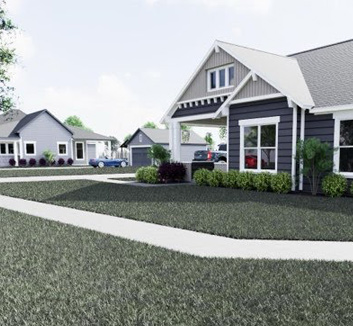
Homeownership made possible, helping families grow wealth and roots.
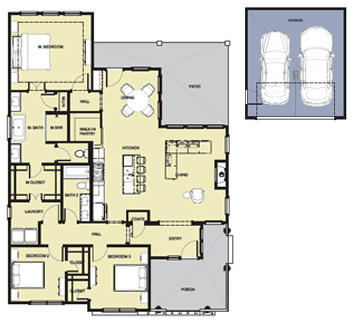
A home that starts memories today and strengthens futures tomorrow.
Built with purpose, made to last, and priced for real local working families.
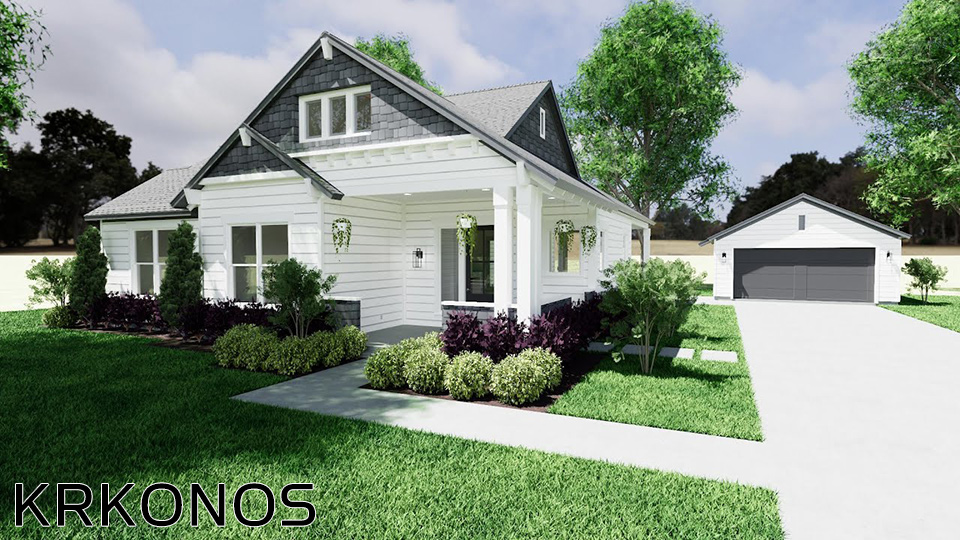
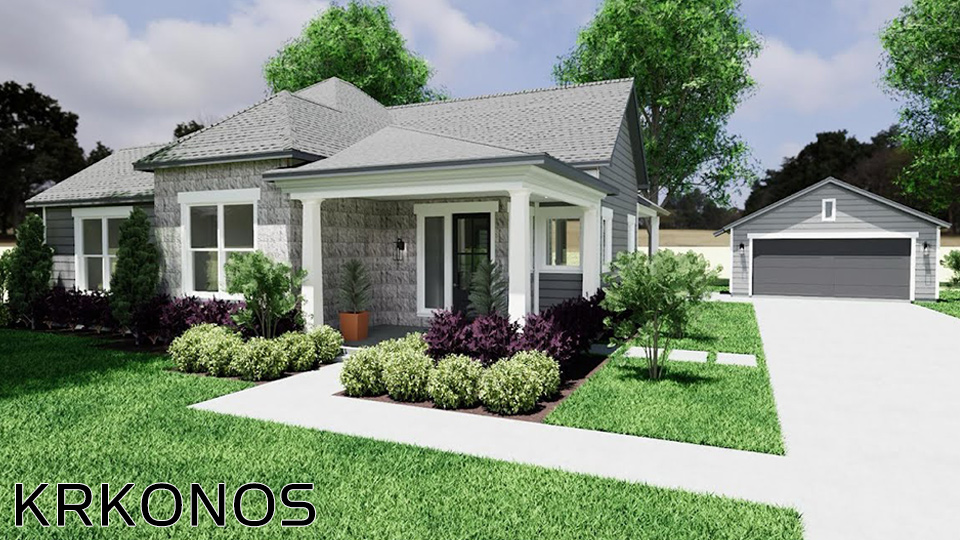
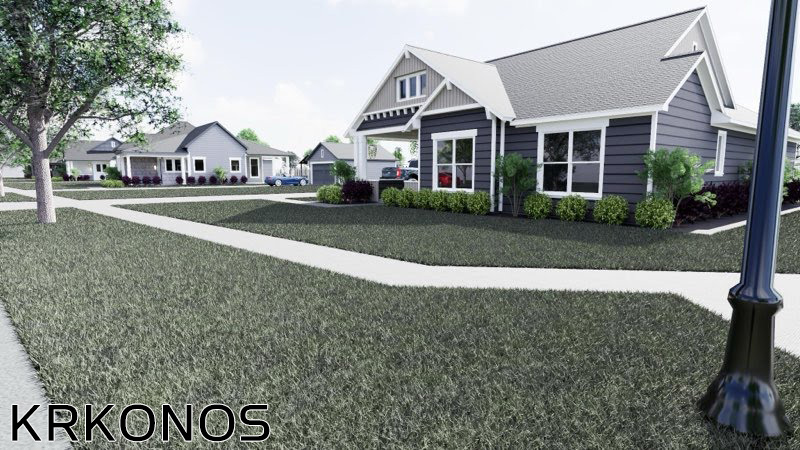
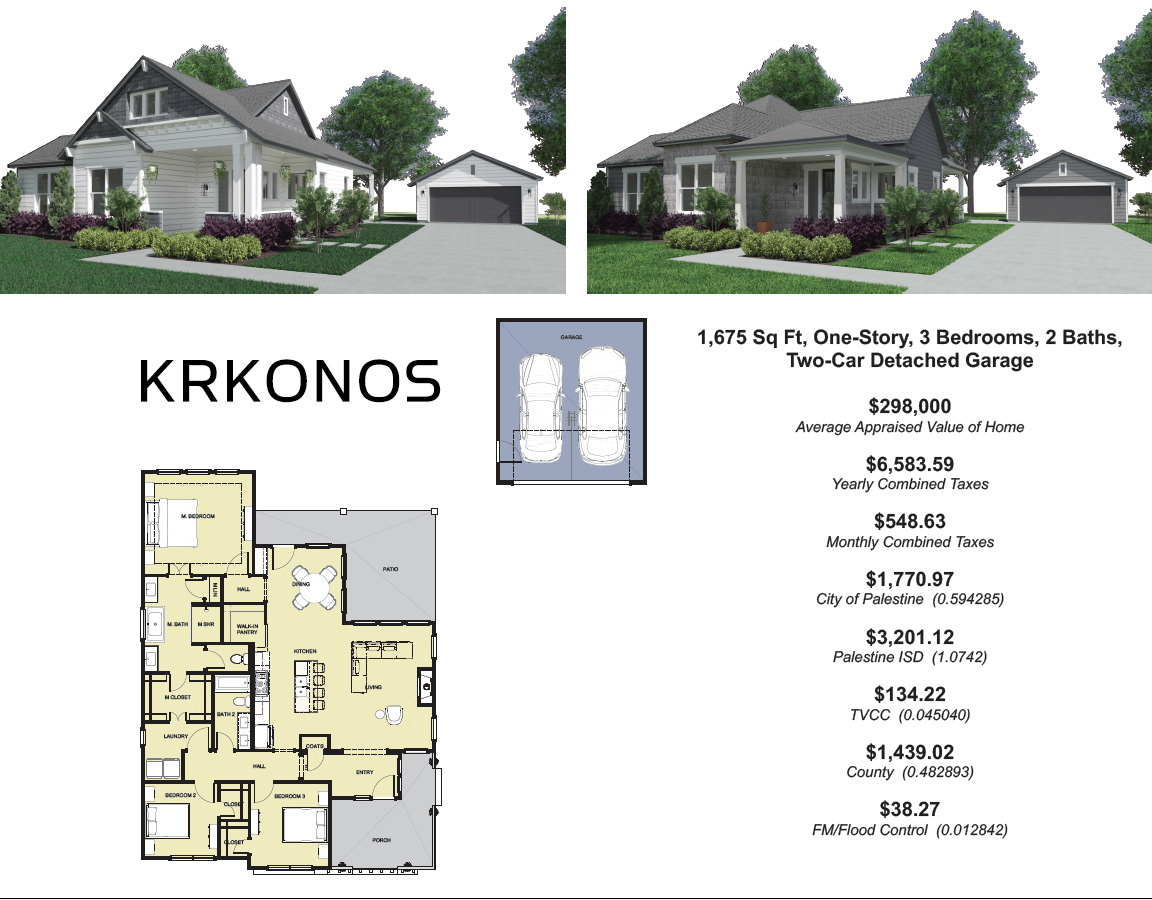
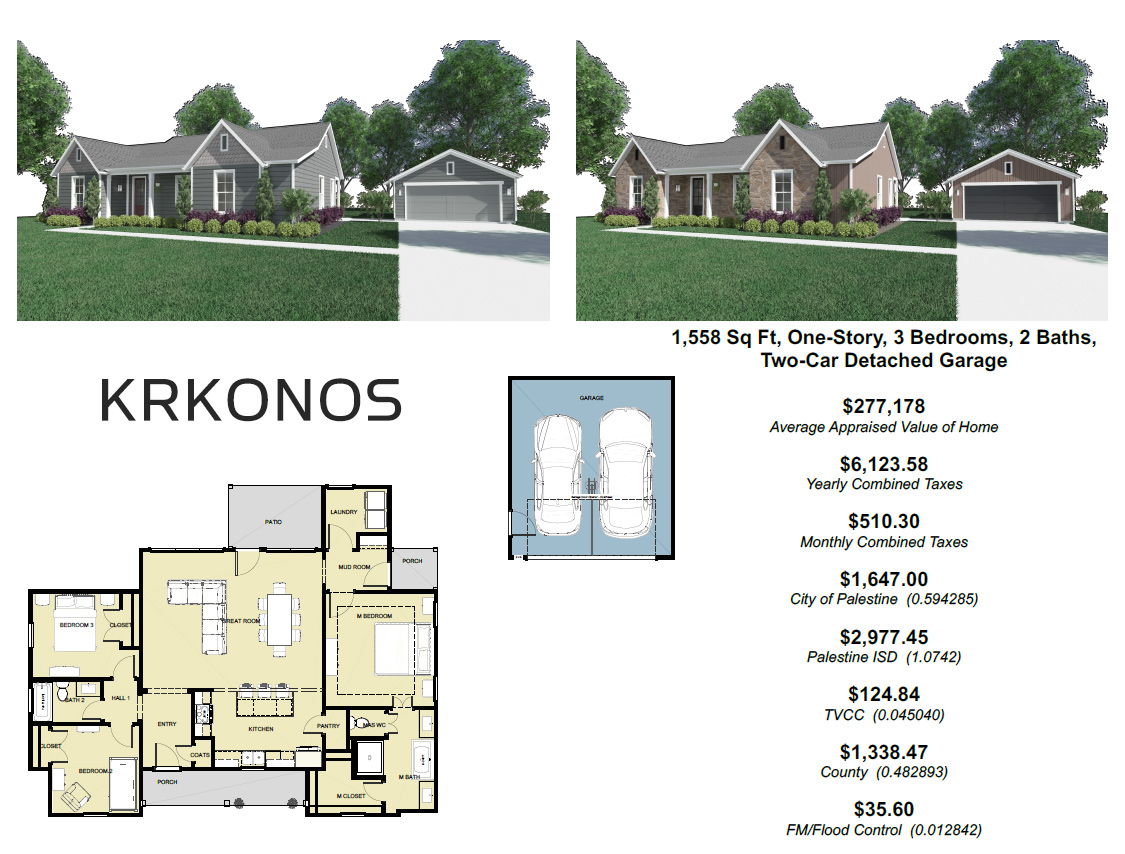
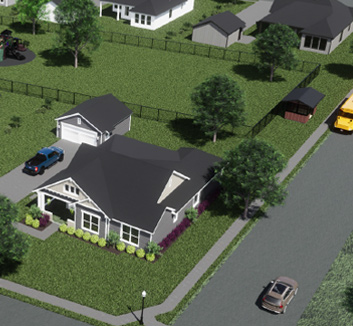
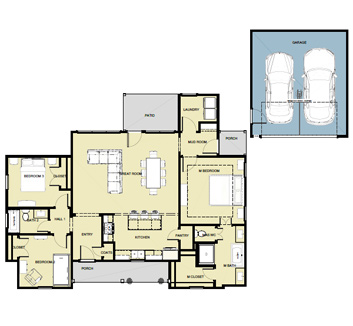
These 3 or 4 bedrooms, 2.5-bathrooms homes with 2 car detached garages are part of Memorial Manor — a thoughtfully designed, energy-efficient community in Palestine, TX. Built for comfort, value, and long-term performance, it's the perfect place to start your next chapter.
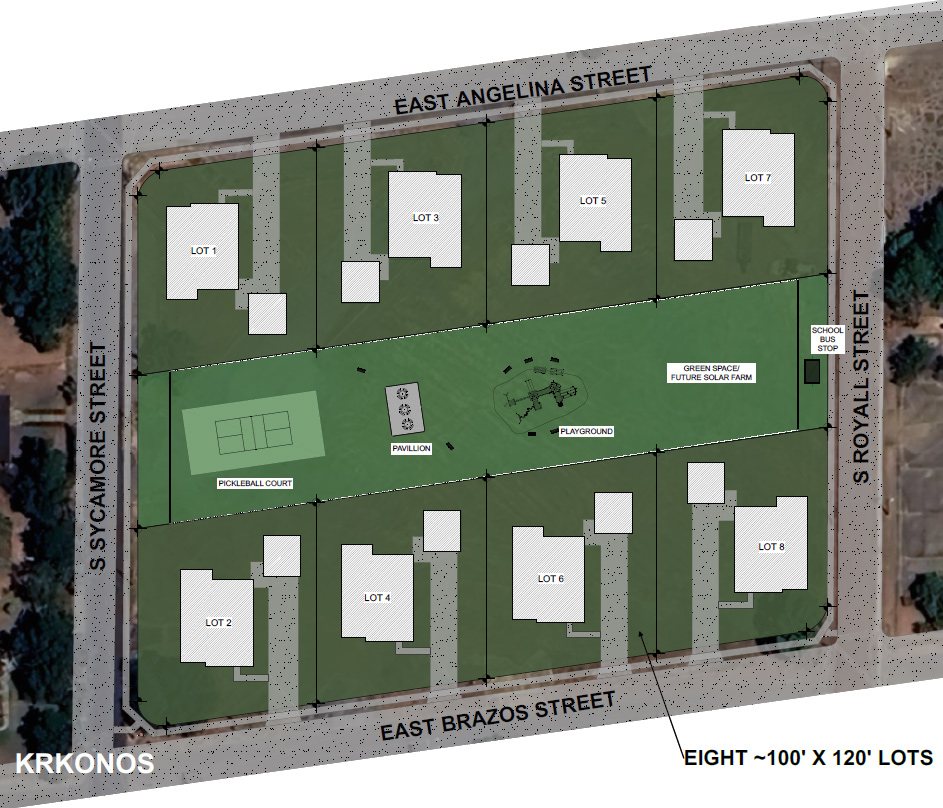
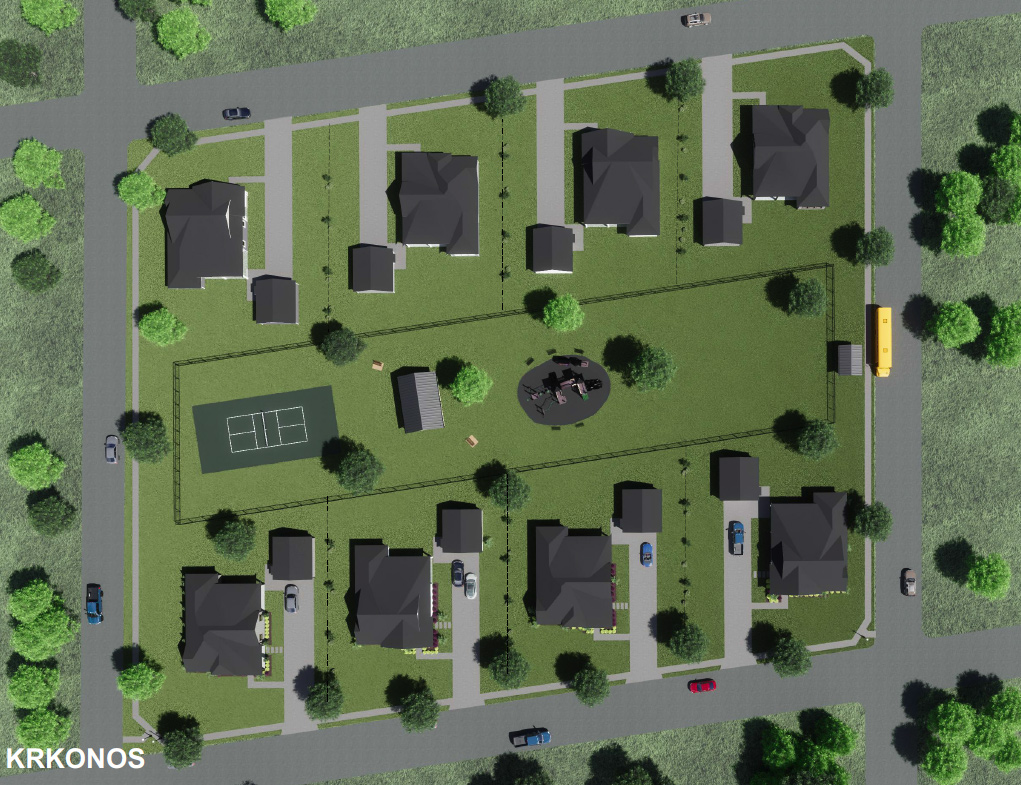
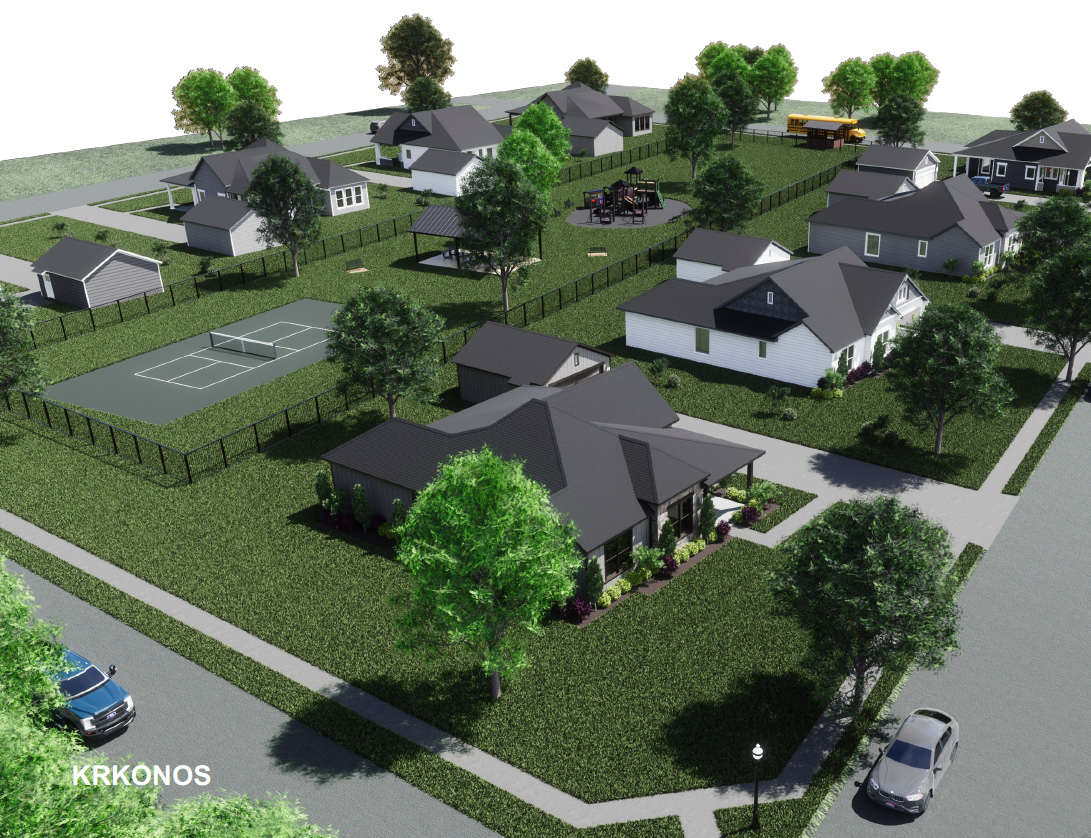
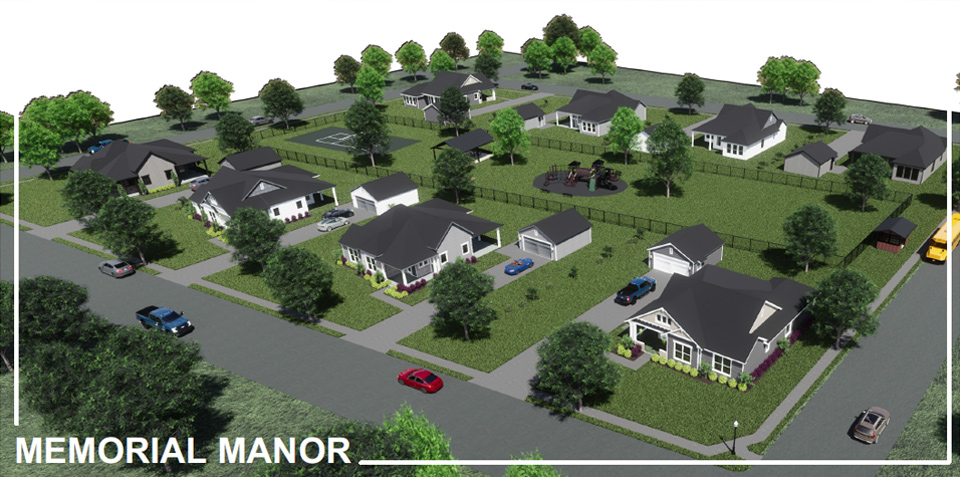
Memorial Manor is a boutique 8-home master-planned community designed to meet the urgent needs of first-time homebuyers and families seeking high-quality, attainable housing. Located in the heart of Palestine, Texas, this carefully curated neighborhood blends thoughtful site planning with modern energy-efficient homes and public amenities. Each home is designed with 3 or 4 bedrooms, 2.5 bathrooms, and a detached 2-car garage, appraised between $277,000 and $398,000 — ideal for families using first-time and/or down payment assistance programs.
With no HOA, low taxes, and community support, Memorial Manor stands out as a smart investment in both lifestyle and long-term value. Residents will enjoy easy access to neighborhood features including a community pavilion, playground, pickleball court, green spaces, and a school bus stop. With only 8 lots available and construction beginning soon, Memorial Manor is a rare opportunity for families to own a new home in a peaceful, well-connected area.
Explore the site of your future home at 900 S Sycamore St, Palestine, TX 75801 — where historic community meets modern attainable living.
What began as a grand Victorian estate for one of the city's pioneer families transitioned into a mid-century medical beacon, only to spend a quarter-century as a symbol of urban blight before its final slated return to residential use in 2027.
Historical Foundations: The Wright Estate and Pioneer AmbitionBefore the first foundation stones of the Memorial Hospital were laid in the 1950s, the land served as the residential and social hub for the Wright family, figures central to the early development of Anderson County. George Anderson Wright and his wife, Mary Henry Wright, established a home on this site in the late 1880s. George Anderson Wright was a pioneer businessman whose contributions to Palestine were foundational, including the establishment of the city’s first bank and the opening of the First Christian Church.
The Wright home was a quintessential example of the Victorian "rural home," a roomy, one-story frame structure featuring ample galleries and a prominent white exterior that was visible for miles due to its position on high ground. This architectural prominence reflected the family's social status; Mary Wright was a renowned socialite who hosted lavish parties, making the estate a nexus of high society in Palestine during the late nineteenth and early twentieth centuries.
The transition from a private estate to a public facility began in the 1940s when the Victorian home was demolished. This period represented a broader shift in Palestine’s urban planning, as the post-World War II era demanded modernized infrastructure and consolidated healthcare services to support a growing population.
Initial Planning and Inception: The 1950s Medical ExpansionThe planning for Memorial Hospital was a direct response to the mid-century boom in community healthcare across the United States. Following the 1946 Hill-Burton Act, which provided federal funding for hospital construction in rural areas, many Texas municipalities sought to modernize their medical capabilities. In Palestine, this manifested in the 1950s with the construction of the Memorial Hospital building at 900 Sycamore Street.
The architecture of the hospital moved away from the wooden, sanitarium-style structures common in the early 1900s, such as the 1907 Baptist Sanitarium in Houston, which had served as a precursor for many regional hospital systems. Instead, the Palestine Memorial Hospital embraced the masonry-based, functionalist design of the mid-1950s. While some regional architects of the time, such as O’Neil Ford and David Williams, were experimenting with Regional Modernism—characterized by indigenous materials and climate-responsive design—the Sycamore Street facility prioritized utilitarian efficiency to maximize patient volume and clinical hygiene.
Construction and Structural SpecificationsThe construction of the facility was completed in the early 1950s, with operations beginning shortly thereafter. The building's layout was designed to accommodate the full spectrum of community medical needs, including a dedicated nursery, surgical suites, and emergency facilities.
The site choice was strategic, placing the hospital within the established Southside neighborhood. This integration ensured that medical care was physically proximal to the residential base it served, creating a "neighborhood hospital" atmosphere that defined its early years of operation.
History of Operations: A Community Pillar (1950s–1990s)For over four decades, Memorial Hospital served as the primary medical asset for Anderson County. Its operational history is characterized by a high degree of community intimacy. Residents describe it as a "go-to for everything from broken bones to birthing babies". The hospital was not merely a clinical site but a central repository for the community’s collective memories. Local accounts highlight its role as a "happy place" where generations of families began; for instance, Jack Coleman, a retired accountant and former city council member, notes that his brother was born there in 1953, followed later by his own children.
The hospital’s operational model mirrored the era of local, independent healthcare before the consolidation of the industry into large corporate networks. During its peak years in the 1960s and 1970s, it provided a stable economic anchor for the Southside, employing local medical professionals and administrative staff. Photographs from this era, captured in studies like the 1991 Historic Resources Survey, show a building that was well-maintained and fully integrated into the civic life of Palestine. Ownership Transitions and Financial InstabilityThe latter years of the hospital's operational history were marked by administrative changes that eventually led to its downfall. Ownership transitioned from local control to an out-of-state nonprofit organization. This shift was part of a larger trend in the 1980s where smaller hospitals sought the financial protection of larger systems. However, the nonprofit entity eventually folded, leaving the hospital in a precarious financial position.
As the hospital’s management became "tangled in financial red tape," the quality of the infrastructure began to lag behind modern medical standards. By the early 1990s, the facility was becoming obsolete in the face of new requirements for medical technology, parking capacity, and accessibility.
The Last Day of Operations: The 1994 TransitionThe closure of the old Memorial Hospital on Sycamore Street occurred in 1994. This was not a cessation of services but a relocation to a more modern facility located "on the loop" (Loop 256), a move that reflected the changing geographic and logistical priorities of the 1990s. The relocation to the loop provided better access for regional ambulances and more space for the expansive parking required by modern medical complexes.
The "last day" of operations in 1994 left a lasting mark on the building. Rather than a clean decommissioning, the transition appeared somewhat abrupt or poorly funded. Much of the hospital’s medical equipment was left in situ, including operating tables, testing devices, monitors, and wheelchairs. This abandonment effectively transformed the building into a "time capsule of community medicine," a state in which it would remain for the next quarter-century.
From 1994 to 2024, the old Memorial Hospital sat vacant, undergoing a slow process of structural and social degradation. The building became a magnet for unauthorized activity, ranging from urban exploration to criminal enterprise.
Redevelopment: The RFP 2025 PlanIn 2025, the City of Palestine issued a Request for Proposals for the "Sale and Development of the Old Memorial Hospital Lot" that Krkonos won. This move represents the final chapter in the property’s century-long lifecycle, moving it away from medical and institutional use and back toward the residential character of the Wright era.
Memorial Manor reflects how Krkonos believes redevelopment should be done. Great redevelopment begins with people, purpose, and trust. We are a developer-builder and long-term public-private redevelopment partner with a deep and active commitment to helping revitalize neglected and underserved communities. Our purpose is not simply to build homes. It is to help convert complex sites into historically respectful, resilient, owner-occupied attainable housing that creates long-term value for residents, neighborhoods, and public stakeholders alike.
We believe the strongest redevelopment starts with why. It starts with the belief that communities deserve thoughtful reinvestment, sustainable homeownership opportunities, and partners who show up with discipline, humility, and the capacity to execute. That is why Krkonos works closely with local, county, regional, state, and federal stakeholders to align vision with action and move projects forward in a way that builds trust and delivers measurable outcomes.
At Memorial Manor, that means honoring community character while creating attainable paths to owner-occupancy, supporting workforce participation, and contributing to direct, indirect, and induced job creation. Our commitment is to build in a way that serves the present without losing sight of the future, because lasting redevelopment is not a one-time transaction. It is an infinite commitment to stronger neighborhoods, stronger families, and stronger communities.
Conclusion: Honoring the Past by Building What Comes NextThe history of Memorial Hospital is ultimately a story of transformation. Across generations, the site has mirrored the evolution of Palestine itself, carrying memories of service, change, and resilience. Its next chapter offers something hopeful: the chance to turn a long-underused property into a place that once again contributes to the strength of the community. That is the promise of intentional redevelopment when vision, stewardship, and execution come together. Sites with history still have future value. If there is a property you believe could serve your community again through thoughtful redevelopment, Krkonos would be glad to connect and discuss its potential.